影像建模Imaging & modeling
从 CT、MRI 等影像建立器官、肿瘤和血管的三维模型。Build 3D organ, tumor and vessel models from CT, MRI and other imaging.
围绕 LIBR 软组织变形矫正算法,我们建立了一套涵盖感知、计算、协作的完整 Surgical Spatial AI 平台。Around the LIBR deformation correction algorithm, we've built a complete Surgical Spatial AI platform spanning perception, cognition, and collaboration.
从术前模型到术野定位,探索三个导航方向。Explore three navigation workflows connecting models to the operative field.
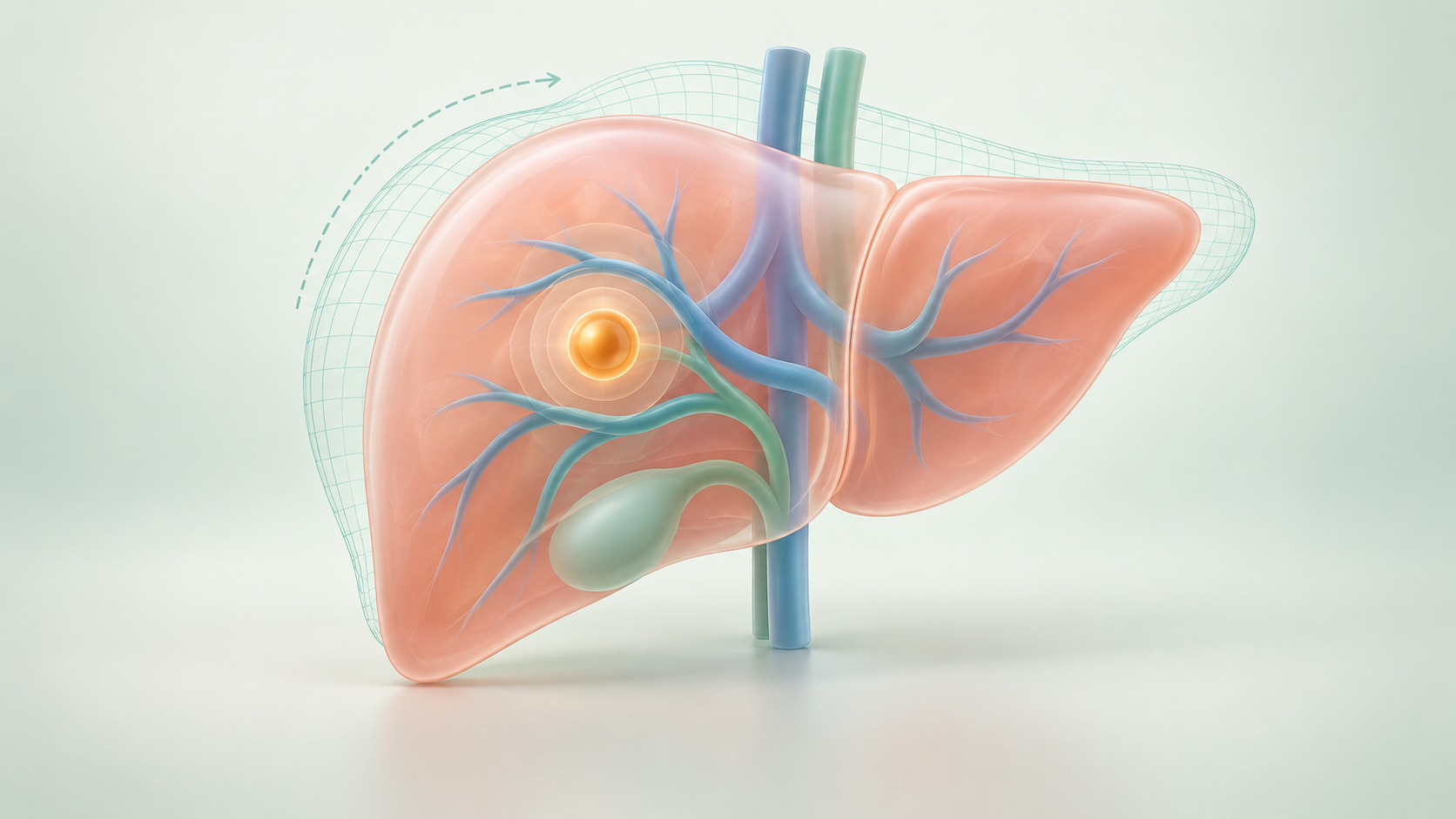
面向开腹肝脏手术,利用头显自身的双目相机重建暴露表面,自动识别解剖特征,通过生物力学形变矫正将肿瘤与血管模型叠加到术野。For open hepatic surgery, headset stereo cameras reconstruct the exposed surface. Learned anatomical features guide biomechanical correction to overlay tumor and vessel models in the operative field.
了解导航系统 →Explore the system →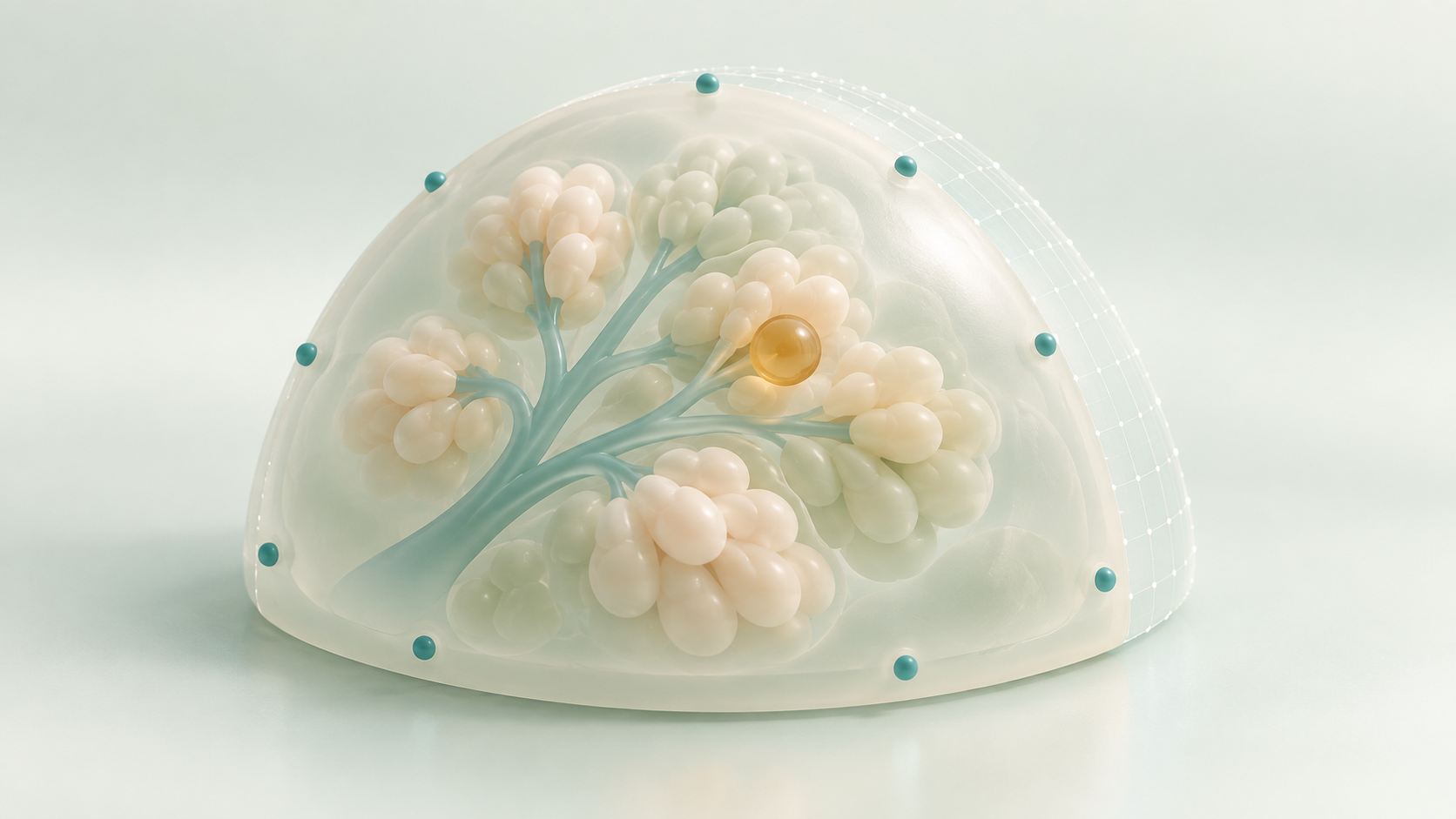
面向保乳手术,将皮肤标志点识别、乳房表面采集与 MR 显示集中在同一头显,利用非刚性配准建立术前模型与术中乳房之间的空间对应。For breast-conserving surgery, a single headset combines skin-fiducial sensing, surface acquisition, and MR display. Nonrigid registration relates the preoperative model to the intraoperative breast.
了解导航系统 →Explore the system →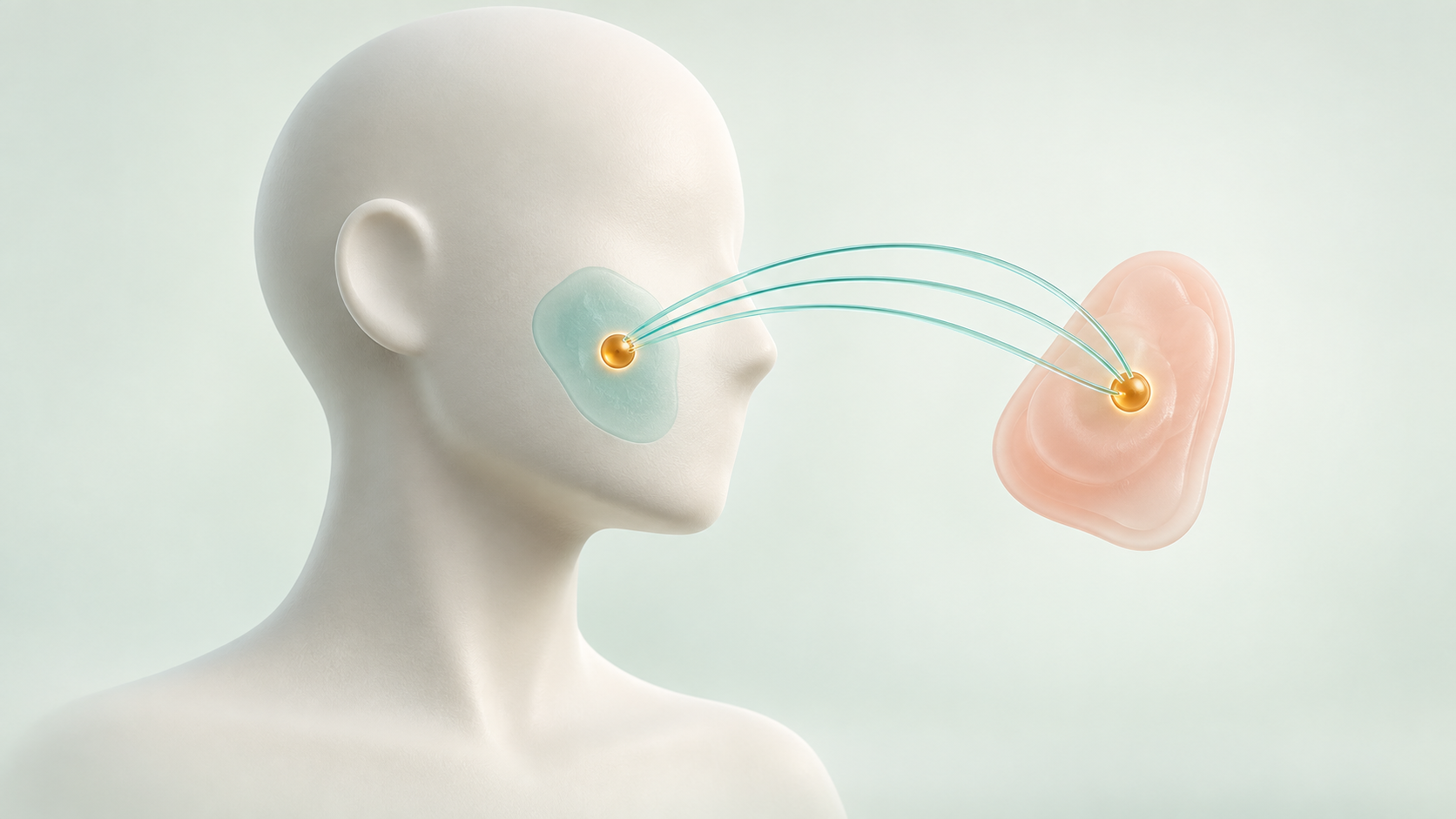
针对头颈肿瘤再切除中的定位难题,将三维标本上的切缘标注经形变配准映射回创面,再通过增强现实显示目标位置。For head and neck tumor re-resection, deformable registration maps margin annotations from a scanned 3D specimen back to the wound bed, where AR displays the target location.
了解导航系统 →Explore the system →术前扫描与术中组织的形态常常不同。LIBR 将术中采集的表面与特征信息结合生物力学模型,用于估计组织形变,并更新内部靶点的空间位置。不同实验条件下的研究结果需分别解读。Preoperative scans and intraoperative tissue often have different shapes. LIBR combines acquired surfaces and features with biomechanical modeling to estimate deformation and update internal target positions. Findings should be interpreted within each study’s experimental setting.
论文在面颊与头皮尸体模型中,比较了口头引导、口头引导结合标本查看,以及 AR 引导三种定位方式。研究包含 5 位外科住院医师与专科培训医师。The manuscript compared verbal guidance, verbal guidance with specimen examination, and AR guidance on cheek and scalp cadaveric sites, involving five surgical residents and fellows.
尸体模型可行性研究,非患者临床疗效数据。融合时间不包含标本扫描等准备步骤;原型附加手动步骤约需 10 分钟。Cadaveric feasibility evidence, not patient clinical efficacy. Fusion time excludes specimen scanning and preparation; additional manual steps took approximately 10 minutes in the prototype.
查看头颈导航研究详情 ↗Explore the head & neck study ↗均值 ± 标准差,数值越低误差越小Mean ± SD; lower values indicate smaller errors
研究稿件:Marker-free deformable registration and fusion…Source manuscript: Marker-free deformable registration and fusion…
从 CT、MRI 等影像建立器官、肿瘤和血管的三维模型。Build 3D organ, tumor and vessel models from CT, MRI and other imaging.
获取当前组织表面与特征,建立术野的空间参考。Capture current tissue surfaces and features to establish a spatial reference.
结合测量与模型,将术前解剖对应到当前组织形态。Combine measurements and modeling to relate preoperative anatomy to current tissue geometry.
以混合现实展示空间关系,支持医生理解靶点与周围结构。Display spatial relationships in mixed reality to contextualize targets and surrounding structures.
影像 → 感知 → 配准 → 显示 · 具体采集方式与算法随导航系统而异IMAGING → SENSING → REGISTRATION → DISPLAY · Acquisition and algorithms vary by navigation system.